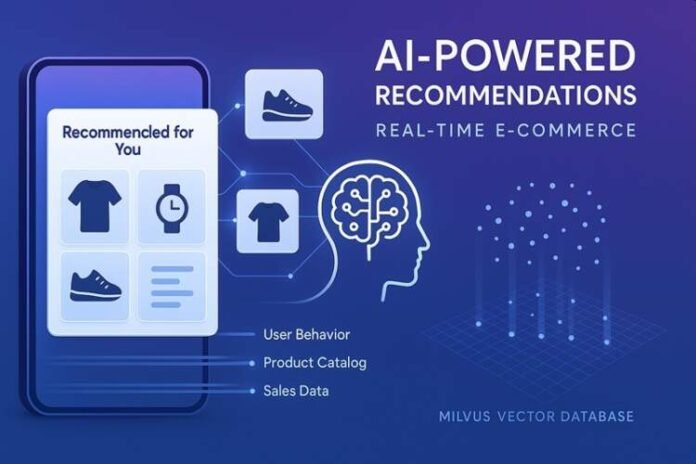
Personalization has become one of the most important drivers of customer engagement in digital commerce. Modern consumers expect websites, apps, emails, and digital experiences to adapt to their preferences in real time. Static content and generic messaging are no longer enough to capture attention or drive conversions.
This growing demand for relevance has increased the importance of the Content Personalization Engine. These systems help businesses deliver dynamic experiences by tailoring content according to customer behavior, preferences, and intent.
However, as customer journeys become more complex and data volumes continue increasing, traditional personalization methods struggle to keep up. This is where artificial intelligence is transforming the performance and capabilities of modern personalization engines.
AI enables businesses to process massive amounts of customer data, predict behavior, automate decisions, and deliver highly relevant experiences at scale. As digital commerce evolves, AI is becoming the foundation of advanced content personalization strategies.
What is a Content Personalization Engine?
A Content Personalization Engine is a technology system that dynamically delivers personalized content to users based on customer data and behavioral signals.
It determines:
- What content to display
- Which products or recommendations to prioritize
- What messaging is most relevant
- Which channels should deliver the experience
The goal is to improve engagement, customer experience, and conversion performance.
The Limitations of Traditional Personalization
Before AI became widely integrated into personalization systems, many businesses relied on static rules and manual segmentation.
Examples included:
- Showing the same homepage banner to all users within a region
- Sending scheduled campaigns to broad customer segments
- Recommending products using fixed logic
While these approaches improved targeting slightly, they had several limitations.
Static Experiences
Traditional systems could not adapt quickly to changing customer behavior.
Limited Scalability
Managing personalization manually became difficult as customer data and content expanded.
Slow Optimization
Performance improvements often required manual analysis and adjustments.
Generic Customer Journeys
Broad segmentation failed to capture individual customer intent effectively.
These limitations reduced personalization accuracy and customer engagement.
How AI Changes Content Personalization
Artificial intelligence transforms personalization by enabling systems to learn, adapt, and optimize automatically.
Instead of relying on static rules alone, AI-powered personalization engines continuously analyze customer behavior and make intelligent decisions in real time.
This creates more adaptive and relevant experiences.
AI-Powered Behavioral Analysis
AI can process massive volumes of customer interaction data far more efficiently than traditional systems.
This includes:
- Browsing behavior
- Search activity
- Product interactions
- Purchase history
- Engagement patterns
Machine learning models identify patterns and relationships that would be difficult to detect manually.
This deeper behavioral understanding improves personalization accuracy significantly.
Real-Time Personalization at Scale
Modern customers expect experiences to adapt instantly to their actions.
AI enables real-time personalization by analyzing live customer signals such as:
- Current browsing sessions
- Search queries
- Cart activity
- Device usage
- Geographic context
For example:
- A customer browsing winter apparel immediately receives related recommendations
- Search activity dynamically changes homepage content
- Cart interactions trigger personalized messaging instantly
This level of responsiveness improves engagement and conversion rates.
Predictive Content Personalization
One of AI’s biggest advantages is its ability to predict customer behavior.
AI-powered personalization engines can forecast:
- Purchase intent
- Product preferences
- Churn risk
- Next-best actions
This allows businesses to proactively guide customer journeys rather than simply reacting to past behavior.
Examples include:
- Predictive product recommendations
- Personalized replenishment reminders
- Dynamic loyalty offers
Predictive personalization creates smoother and more intuitive customer experiences.
AI-Driven Recommendation Optimization
Recommendation engines are a major component of modern personalization systems.
AI improves recommendations by:
- Understanding customer affinity patterns
- Analyzing similar customer behavior
- Continuously optimizing recommendation ranking
- Adapting recommendations in real time
This increases relevance and improves product discovery.
AI-powered recommendations also evolve continuously as customer behavior changes.
Dynamic Content Adaptation
AI enables content to adapt automatically according to customer context and intent.
This includes:
- Personalized homepage layouts
- Dynamic banners and messaging
- Adaptive product assortments
- Context-aware offers
For example:
- Mobile shoppers may receive simplified layouts
- Returning customers may see loyalty-focused messaging
- High-intent users may receive urgency-based offers
Dynamic adaptation improves user experience significantly.
Omnichannel Personalization
Customers interact across multiple channels throughout their journey.
AI helps content personalization engines coordinate experiences across:
- Websites
- Mobile apps
- Email campaigns
- Search experiences
- Paid advertising
- Physical retail touchpoints
For example:
- Website browsing influences email recommendations
- App interactions shape search personalization
- Purchase behavior impacts loyalty messaging
This creates more connected omnichannel experiences.
Continuous Learning and Optimization
Traditional personalization systems often require manual updates.
AI-powered engines continuously learn from:
- Customer engagement
- Conversion behavior
- Recommendation performance
- Content interactions
Machine learning models automatically refine personalization strategies over time.
This improves performance without requiring constant manual intervention.
Benefits of AI-Powered Personalization Engines
Improved Customer Engagement
Relevant experiences encourage deeper interaction.
Higher Conversion Rates
Personalized content improves purchase likelihood.
Faster Product Discovery
AI helps customers find relevant products more efficiently.
Increased Customer Retention
Consistent relevance strengthens long-term loyalty.
Greater Operational Efficiency
Automation reduces manual personalization management.
Challenges Businesses Must Address
Data Quality Issues
AI systems depend heavily on accurate and connected data.
Integration Complexity
Multiple systems must work together seamlessly.
Privacy and Compliance Concerns
Businesses must use customer data responsibly and transparently.
Content Scalability
Dynamic personalization requires flexible content structures.
Addressing these challenges is essential for long-term success.
Best Practices for AI-Driven Personalization
Build Unified Customer Profiles
Connected data improves personalization accuracy.
Focus on Real-Time Data
Current customer intent often matters more than historical behavior alone.
Balance Automation with Human Oversight
AI should support business strategy rather than operate without guidance.
Continuously Test and Refine Models
Customer behavior evolves constantly.
Prioritize Customer Value
Personalization should improve convenience and relevance rather than feel intrusive.
The Future of AI in Content Personalization
AI-driven personalization will continue evolving rapidly.
Future trends include:
- Hyper-personalized customer journeys
- Predictive customer engagement
- AI-generated dynamic content
- Conversational commerce experiences
- Voice and visual personalization
These advancements will make digital experiences even more adaptive and intelligent.
Conclusion
Artificial intelligence is fundamentally reshaping how content personalization engines operate. By enabling real-time responsiveness, predictive decision-making, and continuous optimization, AI allows businesses to deliver more relevant and scalable customer experiences.
As customer expectations continue rising and digital commerce becomes more competitive, businesses that invest in AI-powered personalization capabilities will be better positioned to improve engagement, increase conversions, strengthen loyalty, and drive long-term growth.